
LLamar : +57 3175111796
Email : info@lotomedicalcare.com.co
When playing at casinos, one of the most significant hidden costs is the house edge, which refers to the statistical advantage that the casino holds over players in games. This edge varies by game type and can significantly influence a player’s long-term winnings. For instance, in slot machines, the house edge can be as high as 15 percent, meaning that for every $100 wagered, the casino expects to retain about $15. Many players seek options with lower edges, such as the fast payout online casino offerings, illustrating how players can extensively lose over time if they don’t fully understand the odds.
Not only does the house edge contribute to the financial drains of casino play, but it also affects the game strategy players might adopt. For example, in games like blackjack, using optimal strategies can reduce the house edge significantly, but this requires knowledge and skill. New players often underestimate the importance of this factor, leading them to make poor decisions that could amplify their losses. Understanding the house edge is crucial for any player aiming to navigate the casino landscape wisely.
Ultimately, the house edge serves as a reminder that while gambling can be entertaining, it is designed to ensure that casinos remain profitable. Players should therefore approach their gaming sessions with the understanding that even small percentages can lead to substantial losses over time. By choosing games with a lower house edge and employing effective strategies, players might mitigate some of the hidden costs associated with their gambling experiences.
Many casinos tout loyalty programs and complimentary offers as enticing benefits for regular players. While these promotions can enhance the gaming experience, they often come with hidden costs that players may not immediately recognize. To earn perks such as free meals, hotel stays, and exclusive access to events, players must often gamble substantial amounts, potentially exceeding the actual value of the rewards they receive. For instance, a player may wager thousands of dollars before earning enough points for a modest comp, effectively masking the true cost of gambling.
Moreover, the psychology behind comps can lead to increased gambling. Players who receive rewards may feel compelled to keep playing to maintain their status or receive more benefits, thereby increasing their overall expenditures. This cycle can lead to a slippery slope, where the perceived value of rewards overshadows the real financial impact of continued gambling. Understanding this dynamic is essential to prevent players from falling into the trap of chasing comps at the expense of their bankroll.
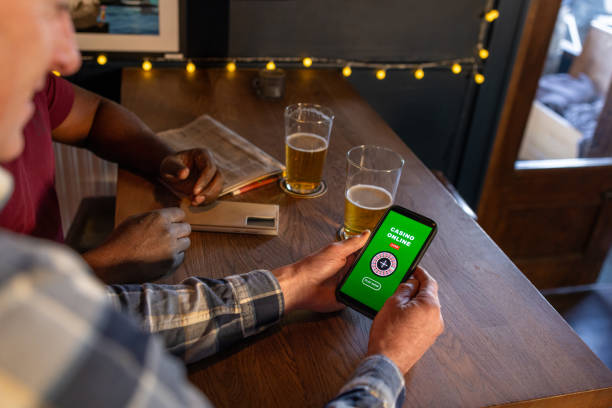
It is essential for players to assess whether the time and money spent pursuing these rewards are genuinely beneficial. By estimating the value of comps against the cost of regular play, players can make more informed decisions. Educating oneself on how to capitalize on these rewards while avoiding unnecessary expenses can help ensure that players maintain control over their budgets and enjoy their gaming experiences without falling victim to hidden costs.
Casinos are often vibrant environments filled with entertainment options, including live shows, restaurants, and free-flowing alcohol. While these amenities contribute to an enjoyable experience, they also represent hidden costs that can significantly inflate a player’s expenses. Complimentary drinks, for instance, may seem like a generous offering, yet they can lead players to lose their inhibitions and gamble more than they initially intended. The combination of alcohol and gaming can cloud judgment, causing players to make hasty decisions that result in steep financial losses.
Additionally, the expense of entertainment—whether it be concert tickets, dining out, or enjoying leisure activities—can rapidly accumulate during a casino visit. A night out can easily go from a budget-friendly excursion to a financial burden if players do not monitor their spending. Understanding these costs upfront can help individuals plan their visits better and set limits on how much they are willing to spend on entertainment and beverage options.
Having a clear financial plan before entering a casino can make a world of difference. Setting spending limits on gaming and entertainment can help players enjoy all the amenities without the risk of overspending. By recognizing the potential pitfalls of alcohol and entertainment expenses, players can still enjoy the casino atmosphere while remaining aware of their financial boundaries.
Time spent at casinos can also translate into financial costs that players often overlook. The longer one gambles, the more they may lose, especially when considering the house edge. Many players underestimate how quickly time flies in a gaming environment, leading to extended sessions that can erode their bankrolls quicker than expected. For example, a player who enters a casino for a quick game may find themselves drawn in by the excitement and spending several hours—resulting in losses that far exceed their initial budget.
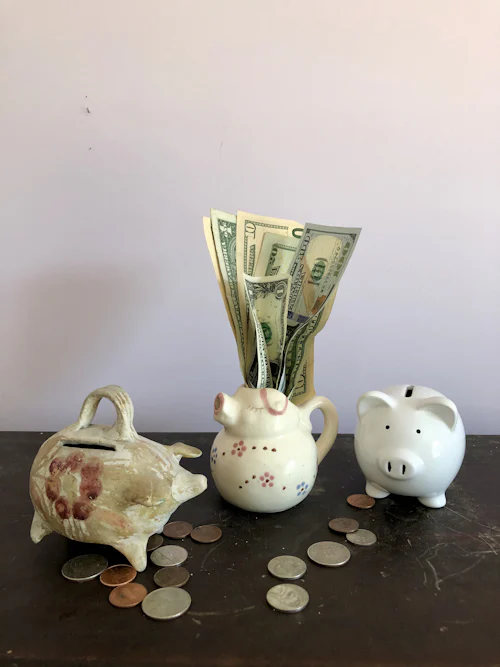
Additionally, the opportunity cost of time spent at casinos should not be ignored. The hours dedicated to gambling could have been utilized in more productive ways, whether through career advancement, spending time with family, or pursuing other leisure activities. This indirect cost emphasizes the importance of striking a balance between enjoying casino gaming and managing other life responsibilities and opportunities. Players should critically evaluate how their time aligns with their financial goals and overall lifestyle.
Establishing a time limit for casino visits can help mitigate the risks associated with prolonging gameplay. By being aware of how time spent equates to monetary loss, players can adopt a more cautious approach. Embracing a responsible gaming mindset will ultimately allow individuals to enjoy their casino experiences while preserving their financial stability and well-being.
In conclusion, recognizing the hidden costs associated with playing at casinos is crucial for ensuring a positive gaming experience. From understanding the house edge to evaluating entertainment expenses, players can make informed decisions that enhance their enjoyment while safeguarding their finances. Staying aware of the psychological effects of rewards programs and the impact of time and alcohol expenditure is vital for maintaining control over one’s budget.
It’s essential for players to approach casino gaming with a strategic mindset, focusing on responsible gaming practices that prioritize fun without overspending. Setting clear limits on time and money can create a healthy balance, allowing for enjoyable visits without significant financial repercussions. Additionally, educating oneself about the intricacies of different games and their respective odds can empower players to make choices that align with their financial objectives.
Ultimately, the key to navigating the casino landscape lies in understanding the potential hidden costs and taking proactive measures to mitigate them. By fostering a responsible gaming culture and maintaining awareness of spending habits, players can enjoy the thrilling atmosphere of casinos while protecting their financial health. For those seeking further insights and resources about responsible gaming practices, consider exploring dedicated platforms that provide valuable information tailored to enhancing your casino experiences.