
LLamar : +57 3175111796
Email : info@lotomedicalcare.com.co
The roots of gambling can be traced back to ancient civilizations, where various forms of games of chance were practiced. The earliest evidence of gambling dates back to around 3000 BC in China, where tiles were found that appear to have been used for a rudimentary lottery game. Similarly, the ancient Egyptians engaged in games involving dice, and artifacts from their tombs suggest that betting was a common pastime. As more players turn to the digital realm, more options such as new online casinos nz are being introduced, appealing to different preferences.
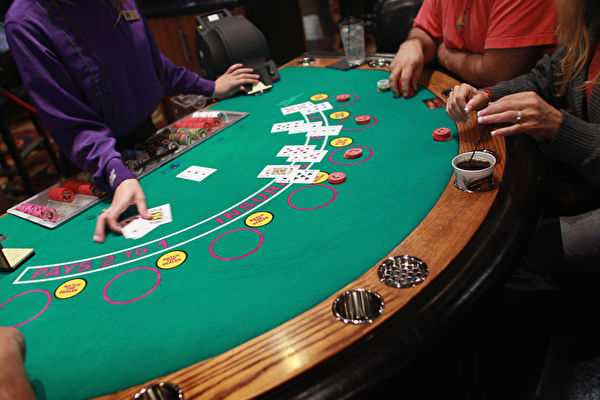
The Romans also embraced gambling, incorporating it into their society through games like dice and betting on gladiatorial contests. These early forms of gambling laid the foundation for the more structured betting systems that would emerge in later centuries, illustrating a universal human attraction to risk and chance.
As societies evolved, so did the complexity of gambling. By the Middle Ages, betting had become more organized, with the establishment of gaming houses across Europe. These venues provided a structured environment for various games, including card games and dice. The growing popularity of these establishments led to the regulation of gambling, as authorities recognized both the potential for revenue and the need to protect the public from fraud.
The invention of the printing press in the 15th century further transformed gambling, facilitating the distribution of gaming rules and promoting the rise of lotteries. Governments began to use lotteries as a means to fund public projects, making gambling a crucial part of economic development during this period.
The 20th century marked a significant turning point in the evolution of gambling, with the establishment of casinos and the legalization of various forms of betting in many countries. The Las Vegas Strip, often referred to as the gambling capital of the world, epitomized this modern approach, attracting millions of visitors seeking entertainment and fortune. With lavish resorts and expansive gaming options, the casino industry flourished, reshaping the landscape of gambling.
The introduction of online gambling in the late 1990s revolutionized the industry, making it accessible to a global audience. Players could now enjoy their favorite games from the comfort of their homes, leading to an explosion in the popularity of online casinos and sports betting platforms.
The ongoing debate about luck versus skill in gambling is as old as the activity itself. While games like slots and roulette rely heavily on chance, others, such as poker and blackjack, incorporate an element of skill that can influence the outcome. This distinction shapes how players approach gambling, with some opting for games where strategy can enhance their odds of winning.
As awareness of responsible gambling grows, players are encouraged to consider their skills and the role luck plays in their gaming experience. Understanding the dynamics between these two elements can not only enhance enjoyment but also promote healthier gambling habits in an ever-evolving industry.

In recent years, the online gambling scene in New Zealand has experienced significant growth, providing players with diverse options tailored to their preferences. New online casinos are continuously emerging, offering exciting games and bonuses designed to attract Kiwi players. Safety and reliability are crucial factors when choosing an online casino, and expert reviews can help guide users toward trustworthy platforms.
As the landscape of online gambling continues to evolve, players in New Zealand can enjoy a vibrant gaming experience marked by innovation and responsible practices. By exploring reputable sites, they can maximize their enjoyment while minimizing risks, ensuring that their gambling experience remains both thrilling and secure.